
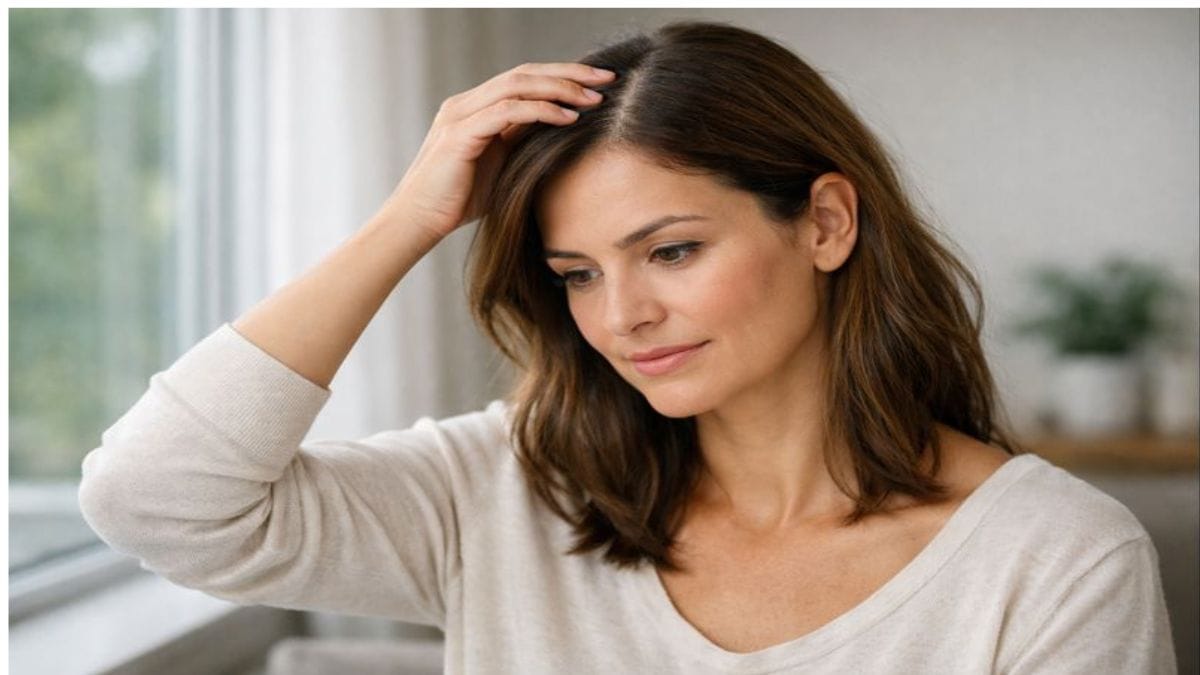
Hair Fall Due to Hormonal Imbalance in Women
Why It Happens, How to Recognize It, and What Actually Helps
Hair fall is rarely just about hair.
For many women, it becomes emotionally exhausting especially when it continues despite changing shampoos, oils, diets, or routines. The confusion is often not about what to try next, but why nothing seems to work. When hair keeps falling without a clear reason, the problem usually isn’t visible on the scalp. In many cases, ongoing or unexplained hair fall in women is linked to hormonal imbalance. Hormones quietly regulate the hair growth cycle, and even small internal shifts can affect how long hair grows, how much sheds, and how well it recovers. These changes often begin long before other symptoms feel serious enough to notice.
This guide explains how hormones influence hair growth, the most common hormonal causes of hair fall in women, how to recognize when hair fall is internal rather than surface-level, and what actually helps over time.
How Hair Growth Works
Hair does not grow continuously. It follows a cycle:
- Growth phase (anagen): Hair actively grows from the root
- Transition phase (catagen): Growth slows
- Resting and shedding phase (telogen): Hair falls to allow new growth
Hormones influence how long hair remains in the growth phase.
When hormonal balance is disrupted, a larger number of hairs can shift into the shedding phase at the same time. This leads to noticeable hair fall or gradual thinning.
This is why hormonal hair fall often feels:
- Sudden
- Spread evenly across the scalp
- Unresponsive to shampoos or topical treatments
Dermatologists often describe hormonal hair fall as delayed and diffuse, rather than sudden or patchy.
Signs Your Hair Fall May Be Hormonal
Hormonal hair fall usually looks different from breakage or product-related shedding.
Common signs include:
- Increased hair fall without itching, redness, or scalp pain
- Gradual thinning from the crown or widening of the part
- Reduced overall hair volume
- Hair that feels finer or weaker than it used to
- Hair fall happening alongside other physical changes
Many women describe it the same way:
“My hair doesn’t look bad in one spot — it just doesn’t look like it used to.”
Hormonal hair fall often occurs alongside:
- Irregular or missed periods
- Acne or sudden skin changes
- Weight gain or difficulty losing weight
- Chronic stress or poor sleep
- Fatigue or mood changes
When hair fall is hormonal, external products may improve texture temporarily, but they rarely stop the shedding.
Estrogen and Hair Growth
Estrogen plays a protective role in hair health.
When estrogen levels are balanced:
- Hair stays longer in the growth phase
- Daily shedding remains minimal
- Hair appears thicker and fuller
When estrogen levels drop or fluctuate:
- Hair growth cycles shorten
- More hair enters the shedding phase
- Gradual thinning becomes noticeable over time
This is why many women notice increased hair fall:
- After stopping hormonal birth control
- After pregnancy
- During perimenopause
- With irregular menstrual cycles
Low or imbalanced estrogen does not usually cause sudden bald patches. Instead, it leads to slow, persistent thinning and increased daily shedding.
Cortisol (Stress Hormone) and Hair Shedding
Cortisol is the body’s primary stress hormone. Short-term stress is normal, but chronic stress can quietly interfere with hair growth.
When cortisol remains elevated:
- The body shifts energy toward survival
- Hair growth becomes a low priority
- More follicles move into the shedding phase
One of the hardest parts of stress-related hair fall is timing. By the time shedding starts, life may already feel calmer which makes the connection easy to miss and easy to dismiss.
Common triggers include:
- Long-term emotional stress
- Poor or inconsistent sleep
- Strict dieting or under-eating
- Illness, burnout, or recovery periods
Stress-related hair fall is usually diffuse and temporary, but improvement happens only after the body feels safe and supported again.
PCOS and Hair Thinning
Polycystic Ovary Syndrome (PCOS) is one of the most common hormonal causes of hair problems in women.
In PCOS:
- Androgen (male hormone) levels may be higher
- Hair follicles on the scalp can become more sensitive
- Hair growth slows while shedding increases
Women with PCOS may experience:
- Thinning at the crown or temples
- Increased facial or body hair along with scalp hair loss
- Acne and irregular periods
PCOS-related hair fall rarely improves with oils or shampoos alone because the root cause lies in hormonal signaling, not scalp care.
Thyroid Hormones and Hair Fall
Thyroid hormones regulate metabolism, energy, and growth including hair growth.
When thyroid hormone levels are too low or too high:
- Hair growth slows significantly
- Shedding increases
- Hair may become dry, coarse, or fragile
Thyroid-related hair fall is usually:
- Diffuse across the scalp
- Gradual but persistent
- Accompanied by fatigue, sensitivity to cold or heat, and weight changes
Because symptoms overlap with other conditions, blood tests are often necessary to confirm thyroid imbalance.
Patterns of Hormonal Hair Loss in Women
Hormonal hair fall does not look the same for everyone. Common patterns include:
- Diffuse shedding: Hair falls evenly from all areas
- Crown thinning: Widening part or reduced volume at the top
- Stress-related shedding: Increased hair fall months after stress
- Cycle-linked hair fall: Shedding that worsens before periods
Unlike genetic hair loss in men, hormonal hair fall in women is often manageable and sometimes reversible when the underlying cause is addressed.
Why Hair Products Often Don’t Work
Shampoos, oils, and treatments work on the hair shaft and scalp surface. Hormonal signals that control hair growth operate inside the body, at the root level.
This is why many women experience:
- Temporary improvement in hair texture
- No lasting reduction in hair fall
- Continued thinning despite routine changes
External care supports hair quality, but it cannot override internal hormonal signals.
What Actually Helps Hormonal Hair Fall
Improvement begins when the body receives consistent internal support.
Helpful approaches often include:
- Adequate daily protein intake
- Managing stress and improving sleep quality
- Addressing nutrient deficiencies when confirmed
- Supporting hormone balance through steady, realistic habits
- Avoiding extreme dieting or over-exercising
Hair regrowth is slow. Changes made today usually show visible improvement weeks or months later, not immediately.
Consistency matters far more than intensity.
When to Seek Medical Advice
Professional evaluation is important if:
- Hair fall is sudden or severe
- Bald patches appear
- Shedding lasts longer than six months
- You suspect thyroid imbalance, anemia, or PCOS
Blood tests can provide clarity and prevent unnecessary trial-and-error.
Frequently Asked Questions About Hormonal Hair Fall in Women
Is hormonal hair fall permanent?
In most cases, no. When the underlying imbalance is addressed, hair growth can gradually improve. Recovery takes time because hair grows in cycles.
How long does hormonal hair fall last?
It often lasts several weeks to a few months, depending on the cause. Conditions like PCOS or thyroid imbalance may require longer-term management.
Can hormonal hair fall happen even if periods are regular?
Yes. Hormonal imbalance does not always cause missed periods. Stress, cortisol imbalance, or nutrient deficiencies can still affect hair growth.
Does hormonal hair fall cause bald patches?
Usually not. Hormonal hair fall causes diffuse thinning rather than sudden bald spots. Patchy hair loss should always be evaluated medically.
Can diet alone stop hormonal hair fall?
Diet supports hair growth, but diet alone is rarely enough if hormones are significantly imbalanced. Sleep, stress, and hormonal stability are equally important.
Do supplements fix hormonal hair fall?
Supplements help only when a deficiency is confirmed. Taking them without testing may delay proper treatment.
Why does hair fall increase before periods?
Hormone levels naturally fluctuate before menstruation. In some women, this shift pushes more hair into the shedding phase.
Final Takeaway
Hormonal hair fall is not a failure of care or effort. It is often the body’s way of signaling that something deeper needs attention. When that signal is misunderstood, many women end up cycling through products and routines that offer little relief. When it is understood, the problem often becomes less frightening and more manageable. Hair recovery is rarely instant, but with patience and internal balance, improvement is often possible.
Disclaimer:
This article is for educational purposes only and does not replace medical advice. Always consult a qualified healthcare professional for diagnosis or treatment.
Neha
August 10, 2026Ryt