
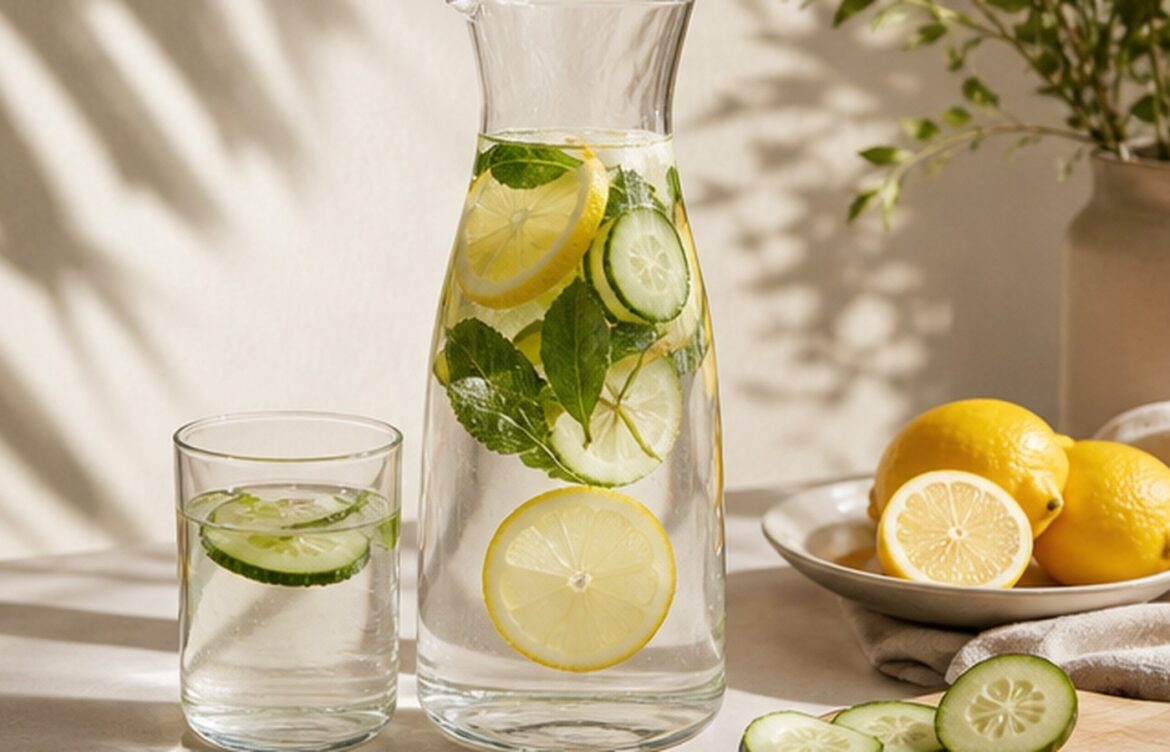
How Much Water Should I Drink a Day? A Practical Hydration Guide
There is no single perfect water number for everyone. Climate, activity, food, pregnancy, illness and medication can all change fluid needs.
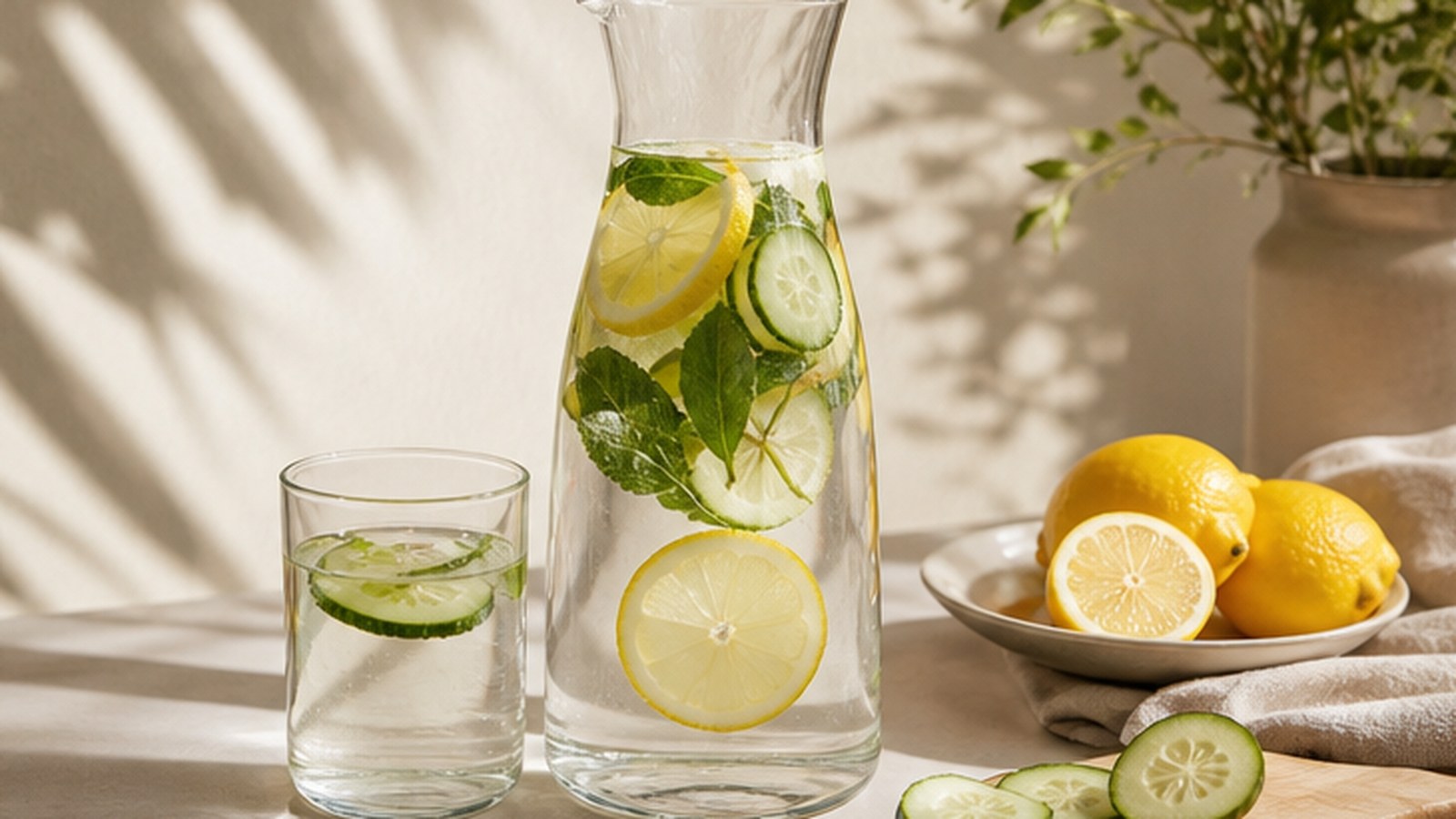
how much water should I drink a day is most useful as a practical question, not a promise of instant results. The guide below focuses on realistic steps, clear limits and choices you can adapt.
Count more than plain water
Milk, tea, coffee, soups and water-rich foods contribute fluid. Plain water remains a useful low-sugar default.
Use practical signals
Thirst and pale-yellow urine can be helpful everyday guides, though vitamins, medicines and medical conditions can alter urine colour.
Adjust for heat and activity
Hot weather, fever and longer exercise increase losses. Drink regularly and follow specific medical advice when applicable.
Avoid forcing excessive amounts
Drinking far beyond need can be harmful. People with heart, kidney or liver conditions may have personalised fluid targets.
A simple action plan
- Choose one change that fits your current routine.
- Try it consistently before adding more complexity.
- Track comfort, usefulness and any symptoms that need professional advice.
Start with the smallest version you can repeat. Review what worked after two weeks, keep the useful parts and remove anything that adds cost or pressure without a clear benefit.
Frequently asked questions
Does coffee dehydrate you?
Caffeinated drinks can contribute to fluid intake, though water is often the simplest routine choice.
Is clear urine always the goal?
Not necessarily. Completely clear urine all day can mean you are drinking more than needed.
Key takeaway
Use this guidance as a flexible starting point. Sustainable routines respect budget, culture, climate, health needs and personal preference. Seek qualified advice when symptoms are severe, persistent, rapidly changing or affecting daily life.
Sources and further reading
Educational information only. It does not replace individual medical advice, diagnosis or treatment.