
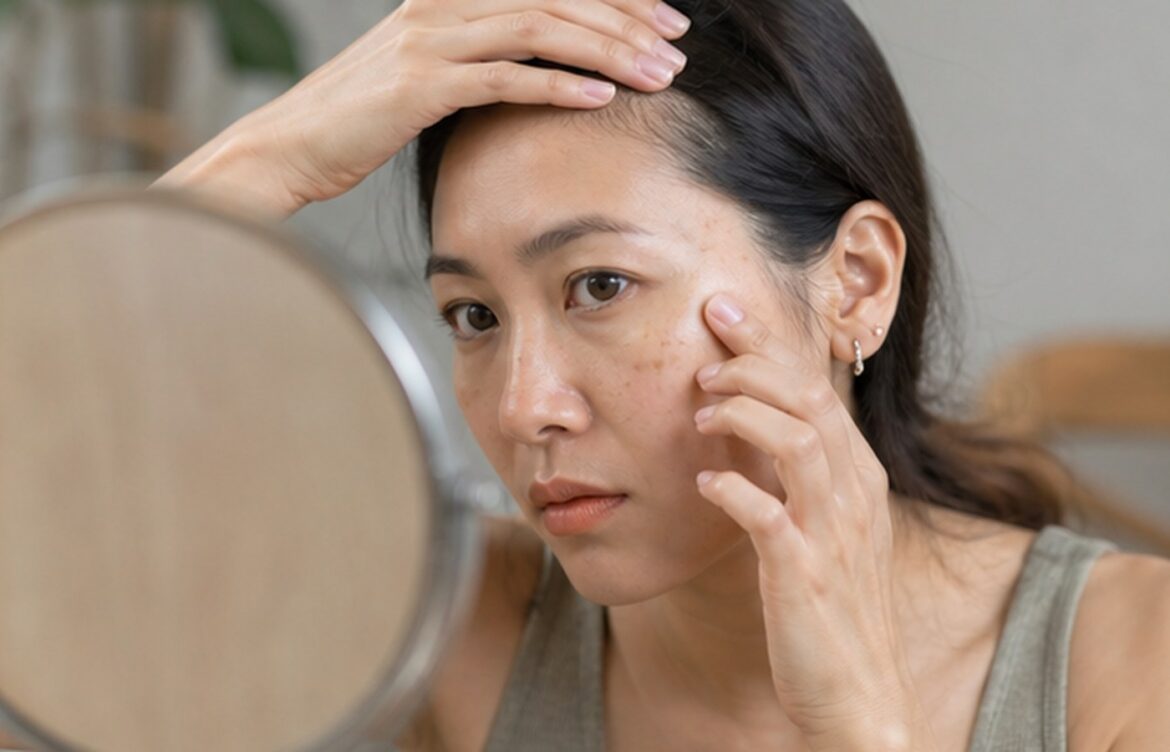
Hairline Acne From Hair Products: How to Spot and Prevent It
Small clustered bumps along the forehead, temples or neck can sometimes be linked to oily hair products that reach the skin.
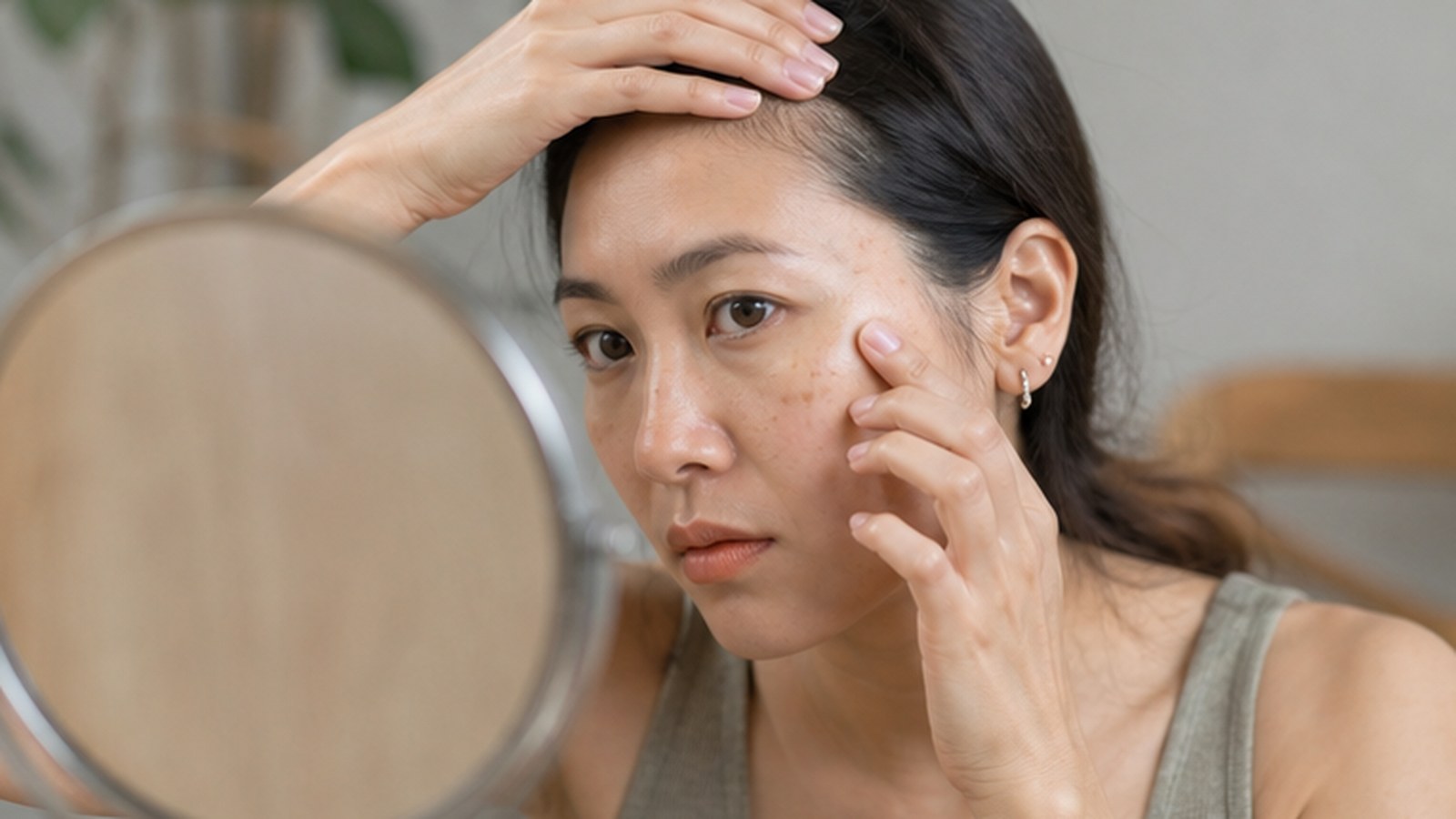
hairline acne from hair products is most useful as a practical question, not a promise of instant results. The guide below focuses on realistic steps, clear limits and choices you can adapt.
Look for the distribution
Product-related breakouts often sit where pomade, conditioner, spray or hair oil touches skin. Hats and pillowcases can spread residue.
Simplify the routine
Pause the most likely product and choose labels such as non-comedogenic, oil-free or “won’t clog pores.” Avoid changing everything at once.
Clean contact surfaces
Wash pillowcases, headbands, caps and anything else that repeatedly touches the affected area. Keep styling products away from the hairline.
Give skin time
Improvement is gradual. Seek dermatology care for painful, scarring or persistent acne, or if the diagnosis is uncertain.
A simple action plan
- Choose one change that fits your current routine.
- Try it consistently before adding more complexity.
- Track comfort, usefulness and any symptoms that need professional advice.
Start with the smallest version you can repeat. Review what worked after two weeks, keep the useful parts and remove anything that adds cost or pressure without a clear benefit.
Frequently asked questions
How long can hair-product acne take to clear?
The AAD notes that clearing may take several weeks after the triggering product is stopped.
Can shampoo cause forehead acne?
Shampoo, conditioner and styling residue can contribute in some people, especially when it remains on the skin.
Key takeaway
Use this guidance as a flexible starting point. Sustainable routines respect budget, culture, climate, health needs and personal preference. Seek qualified advice when symptoms are severe, persistent, rapidly changing or affecting daily life.
Sources and further reading
- American Academy of Dermatology: skin-care guidance
- American Academy of Dermatology: sunscreen guidance
Educational information only. It does not replace individual medical advice, diagnosis or treatment.