
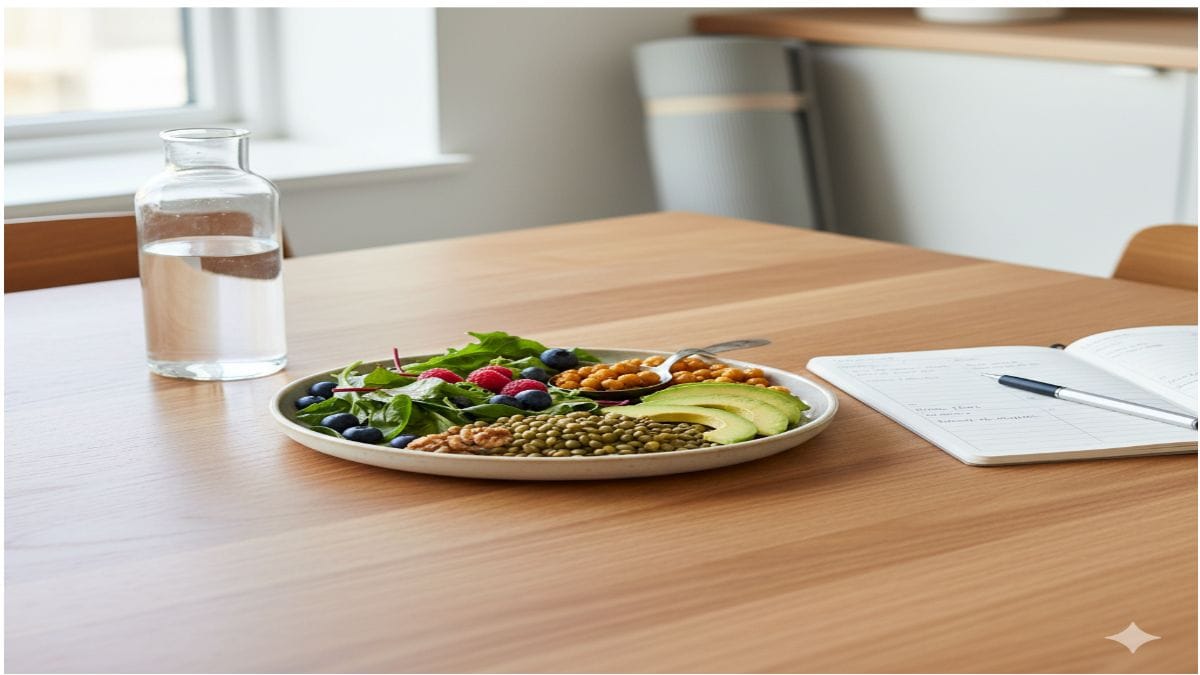
PCOS Diet and Lifestyle: 7 Simple, Transformative Habits for Balance
Living with Polycystic Ovary Syndrome (PCOS) often feels like a constant battle with your own biology. Finding a sustainable PCOS diet and lifestyle is the most effective way to manage symptoms like fatigue, acne, and irregular cycles without feeling restricted.” One day you’re told to eliminate carbs the next, you’re encouraged to try intensive fasting. This conflicting advice creates a cycle of stress that can actually worsen hormonal imbalances. True PCOS management isn’t about restriction it’s about metabolic safety. By focusing on how food and movement influence your endocrine system, you can reduce androgen levels, improve insulin sensitivity, and regain your energy through a balanced PCOS diet and lifestyle.
Why Metabolic Health Is the Foundation of a PCOS Diet and Lifestyle
PCOS is not just a reproductive condition it is primarily a metabolic and hormonal disorder.
Research shows that up to 70% of women with PCOS experience insulin resistance, even if they are not overweight. When insulin levels stay high, the ovaries are stimulated to produce excess testosterone (androgens), which drives many PCOS symptoms, including:
- Irregular or missed menstrual cycles
- Hormonal acne and hair thinning
- Persistent fatigue and brain fog
- Weight gain concentrated around the abdomen
By shifting your PCOS diet and lifestyle to prioritize blood sugar stability, you address the root cause of these symptoms rather than just masking them.
The PCOS-Friendly Nutrition Framework
There is no “one-size-fits-all” diet, but clinical evidence points to a Low-Glycemic Load approach as the gold standard for a healthy PCOS diet and lifestyle.
1. Prioritize Protein-First Eating
Protein is the most critical macronutrient for stabilizing glucose. Aim for 25–30 grams per meal to stimulate glucagon, the hormone that counteracts insulin.
- Animal Sources: Wild-caught fish, pasture-raised eggs, and lean poultry (chicken/turkey).
- Plant Sources: Lentils (dal), beans, tofu, tempeh, chickpeas, and hemp seeds.
2. Embrace Fiber as a Hormone Filter
Dietary fiber helps the body eliminate excess estrogen and prevents sharp glucose spikes after meals.
- The Habit: Fill half your plate with non-starchy vegetables like leafy greens, peppers, and broccoli.
- The Goal: Aim for 25–30g of fiber daily from whole foods like chia seeds, flaxseeds, and berries.
3. Choose Anti-Inflammatory Fats
Chronic low-grade inflammation is a hallmark of PCOS. Including Omega-3 fatty acids helps lower androgen levels and supports progesterone production.
- Best Sources: Extra virgin olive oil, avocado, walnuts, and wild-caught salmon.
Lifestyle Habits
Nutrition is the foundation, but daily lifestyle habits determine how your hormones respond to that nourishment.
4. The Power of “Glucose Walks”
A simple 10-minute walk after meals is one of the most effective habits for managing insulin resistance. Light movement allows muscles to absorb glucose directly from the bloodstream, reducing the need for large insulin releases.
5. Strategic Strength Training
While excessive HIIT can spike cortisol (the stress hormone), resistance training improves insulin receptor sensitivity. Building lean muscle creates a “metabolic sink,” allowing your body to handle carbohydrates more efficiently.
6. Circadian Rhythm Alignment
Hormones follow a 24-hour internal clock. Even one night of poor sleep can increase insulin resistance by up to 30%. Maintaining consistent sleep times is a non-negotiable part of a restorative PCOS diet and lifestyle.
7. Eat with the Sun
Try to eat your largest meal earlier in the day when your insulin sensitivity is naturally at its highest. A smaller, lighter dinner supports better hormonal recovery overnight.
Frequently Asked Questions (FAQ)
Q: Can I eat rice if I have PCOS? A: Yes. However, pairing it is essential. Choose Basmati or Black rice, keep the portion to 1/2 cup, and always eat it alongside protein and fiber to slow down sugar absorption.
Q: Is dairy inflammatory for PCOS? A: It depends on the individual. If you experience cystic acne, try a 3-week elimination. Otherwise, high-quality fermented dairy like Greek yogurt provides beneficial probiotics for gut health.
Q: How long does it take to see results? A: While energy levels may improve in 2 weeks, it takes roughly 90 days (three follicular cycles) to see significant changes in skin health and menstrual regularity.
Final Thoughts: Progress Over Perfection
Managing PCOS is not about “fixing” yourself it’s about understanding your body and responding with care. Sustainable change happens in small, consistent actions: the protein-balanced meal, the post-meal walk, and the earlier bedtime.
Disclaimer:
The content on this website is for educational purposes only and is not a substitute for professional medical advice. Always consult a qualified healthcare provider before starting any supplement or health program.