
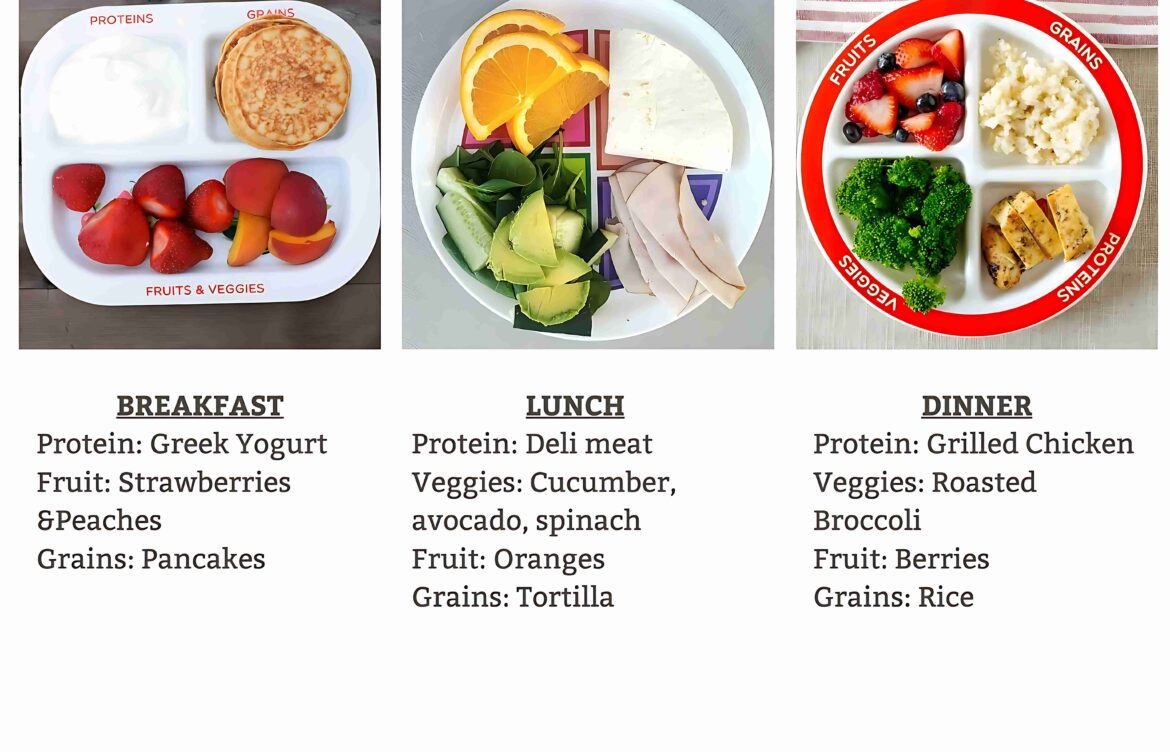
How to Create an Affordable Healthy Diet Plan for Everyone
A lot of people delay eating healthy diet plan because they think it’s expensive. Either they imagine fancy ingredients, strict meal plans, or foods that don’t even feel satisfying. But in most cases, the problem isn’t the cost of healthy food—it’s not knowing how to build simple meals using affordable, everyday ingredients. If your goal is to eat better without spending more, this guide will help you create a practical, budget-friendly diet plan that actually fits into daily life.
What a Healthy Diet Plan Budget Actually Looks Like
A healthy diet plan doesn’t need to be complicated. At its core, every meal should include:
- A protein source (to keep you full and support your body)
- A carbohydrate source (for energy)
- Some fiber (for digestion and fullness)
- Enough hydration
What makes it affordable is not cutting food—it’s choosing the right foods that give more nutrition for less money.
Start with Foods That Are Already Affordable
Instead of searching for “superfoods,” focus on what’s already easily available and budget-friendly.
Some of the best options include:
- Eggs
- Rice or roti
- Lentils (dal)
- Cabbage, spinach, carrots
- Apples or bananas
These foods are simple, but they cover most of your daily nutritional needs when combined properly. In many households, these foods are already part of daily meals—you just need to structure them better.
Build Your Meals Around Protein First
One of the easiest ways to improve your healthy diet plan (without increasing cost too much) is to prioritize protein.
Affordable protein sources:
- Eggs
- Lentils and beans
- Chicken (in small portions if budget allows)
Adding protein helps:
- Reduce constant hunger
- Prevent overeating
- Support skin, hair, and overall strength
A simple example: instead of just eating roti and vegetables, adding even 1–2 eggs can make the meal much more balanced.
Use Vegetables to Make Meals Filling
Vegetables are often underestimated, but they are one of the cheapest ways to improve your diet.
Budget-friendly choices like:
- Cabbage
- Carrots
- Spinach
can be used in multiple ways—sabzi, salads, or mixed into dal.
They help:
- Increase portion size without increasing cost
- Improve digestion
- Keep you full longer
Don’t Remove Carbs—Balance Them
Many people try to eat healthy by cutting carbs completely, which usually leads to cravings later.
Instead of removing them, use them wisely:
- Keep portions moderate
- Pair them with protein
Affordable carb options like rice and roti are not the problem—Hormonal imbalance is.
Keep Drinks Simple (This Saves More Money Than You Think)
A surprising amount of money goes into packaged drinks.
Instead of:
- Soft drinks
- Store-bought juices
Stick to:
- Water
- Lemon water
This small habit alone can improve your health and reduce unnecessary spending.
A Simple One-Day Affordable Diet Example
1. Morning
Warm water with lemon
2. Brunch
2 eggs + roti + cooked vegetables
3. Evening (early dinner)
Dal (lentils) + small portion of rice + salad
4. Snack (if needed)
Banana or apple
This kind of routine is easy to follow and doesn’t rely on expensive ingredients.
Small Habits That Make a Big Difference
- Buy fruits and vegetables that are in season
- Purchase staples like rice and lentils in bulk
- Cook at home more often
- Keep meals simple instead of constantly changing recipes
These are small adjustments, but they make healthy eating much more sustainable.
A Quick Reality Check
You don’t need to follow a perfect healthy diet plan chart for weight loss every day. Some days will be simple, some meals repetitive—and that’s completely fine. In fact, most people who eat healthy long-term rely on very basic, repeated meals, not complicated plans. The goal is not variety every day. The goal is consistency.
EEAT: Why This Approach Works
This guide is based on practical, real-life eating patterns—not trends or extreme diets.
- Uses commonly available foods
- Focuses on balanced nutrition
- Designed for long-term consistency
It reflects how people actually eat in everyday healthy diet plan chart for weight loss, which is why it’s easier to follow and maintain.
Conclusion
Eating healthy on a healthy diet plan chart for weight loss is not about restriction—it’s about making smarter, simpler choices. When you focus on basic foods like eggs, lentils, vegetables, and grains, you create a system that is:
- Affordable
- Balanced
- Sustainable
Start with small changes to healthy diet plan chart for weight loss, keep your meals simple, and stay consistent. That’s what truly makes a difference over time.
ExoWatts
June 28, 2026Great content! Keep up the good work!
Neha
August 10, 2026☺️