
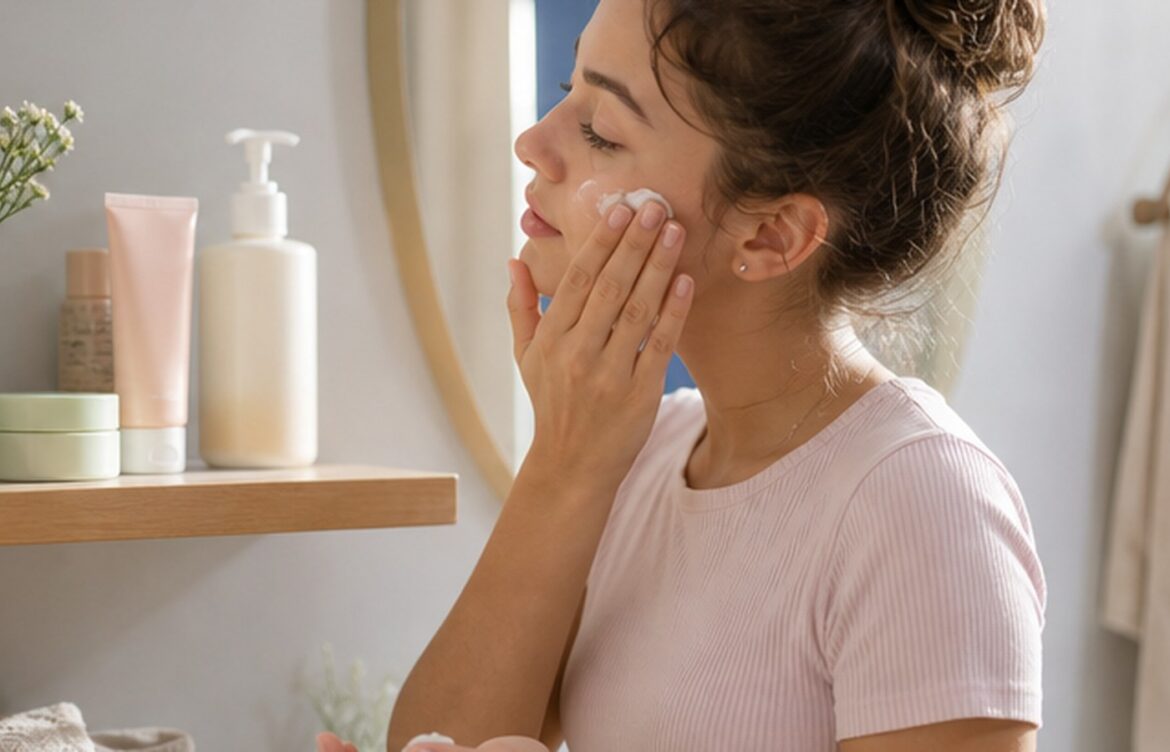
Simple Skincare Routine for Teenage Girls: Dermatologist-Backed Basics
Teen skincare does not need ten products. A gentle routine used consistently is usually a better foundation than frequent experimentation.
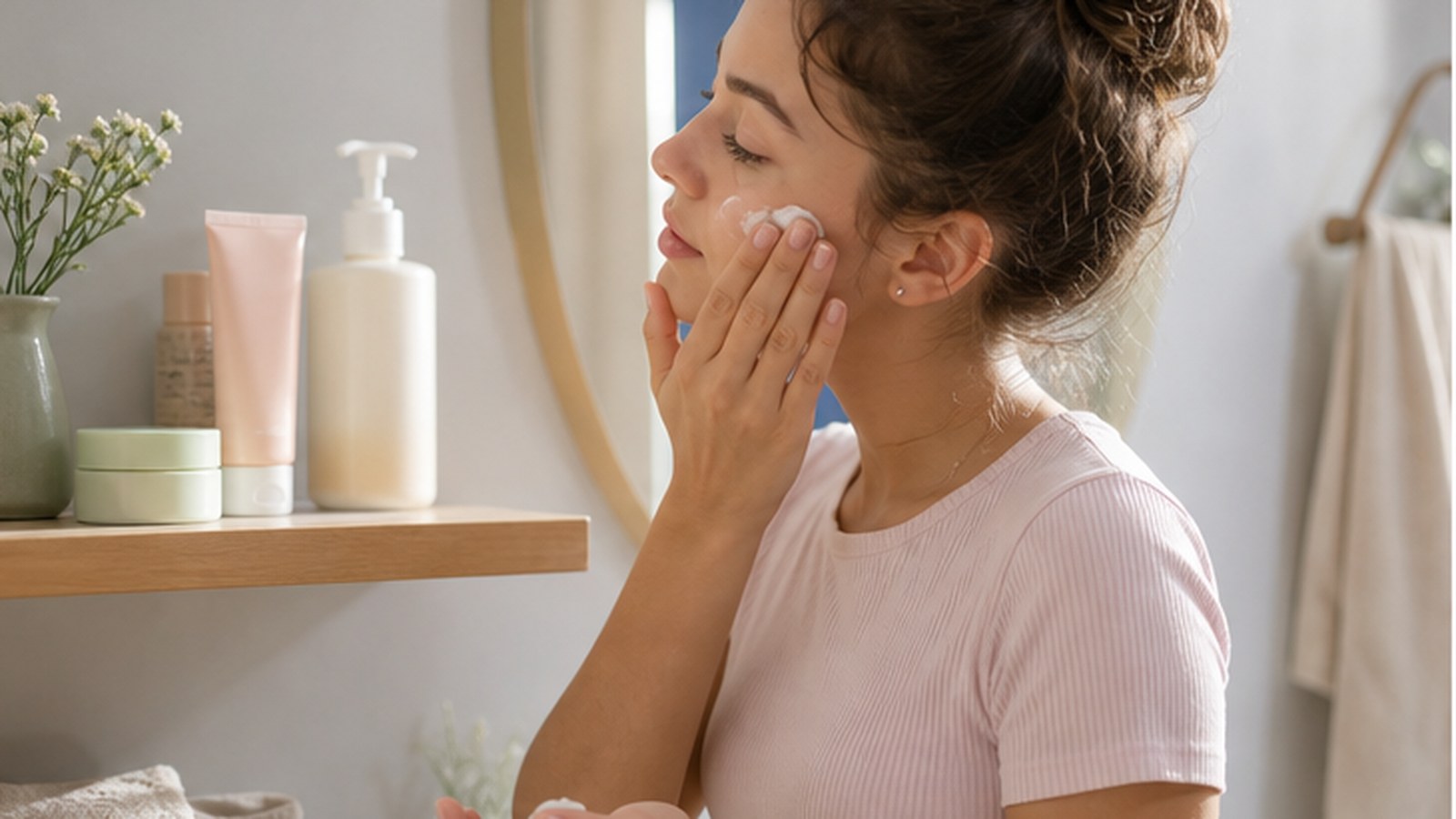
skincare routine for teenage girls is most useful as a practical question, not a promise of instant results. The guide below focuses on realistic steps, clear limits and choices you can adapt.
Morning routine
Use a gentle cleanser if needed, a light non-comedogenic moisturiser and broad-spectrum SPF 30 or higher on exposed skin.
Evening routine
Remove makeup, cleanse gently and moisturise. Avoid harsh scrubs, picking and rapidly layering strong active ingredients.
If acne is the concern
Choose products labelled non-comedogenic and give a suitable treatment time to work. Painful, scarring or persistent acne deserves professional care.
Watch the hairline
Oily styling products can contribute to forehead and hairline breakouts. Keep residue off skin, hats and pillowcases.
A simple action plan
- Choose one change that fits your current routine.
- Try it consistently before adding more complexity.
- Track comfort, usefulness and any symptoms that need professional advice.
Start with the smallest version you can repeat. Review what worked after two weeks, keep the useful parts and remove anything that adds cost or pressure without a clear benefit.
Frequently asked questions
Can teenage skin use moisturiser?
Yes. Acne-prone skin can still become dry, especially during treatment. Choose a non-comedogenic option.
How often should teens wash their face?
Usually up to twice daily and after heavy sweating; over-washing can irritate skin.
Key takeaway
Use this guidance as a flexible starting point. Sustainable routines respect budget, culture, climate, health needs and personal preference. Seek qualified advice when symptoms are severe, persistent, rapidly changing or affecting daily life.
Sources and further reading
- American Academy of Dermatology: skin-care guidance
- American Academy of Dermatology: sunscreen guidance
Educational information only. It does not replace individual medical advice, diagnosis or treatment.